Exploring The Royalty Family Religion: Beliefs, Practices, And Influence
The royalty family religion is a captivating topic that intertwines the lives of some of the most influential figures in the world. Understanding the religious beliefs and practices of royal families can provide insights into their values, traditions, and the impact they have on their respective societies. In this article, we will delve into the various aspects of royalty family religion, examining how these beliefs shape the lives of royals and their relationships with the public.
Royal families have long been symbols of power and heritage, often intertwined with the spiritual and religious fabric of their nations. The intersection of royalty and religion has historically played a crucial role in legitimizing governance, maintaining societal order, and fostering national identity. As we explore the intricacies of royalty family religion, we will highlight how each royal family navigates their spiritual beliefs while fulfilling their duties to their people.
In the following sections, we will dissect the religious affiliations of prominent royal families, analyze their practices, and assess the broader implications of their beliefs on contemporary society. This comprehensive examination will not only showcase the diversity of religious practices among royalty but also illustrate their roles as moral and spiritual leaders in an ever-changing world.
Table of Contents
- 1. Understanding the Concept of Royalty Family Religion
- 2. Historical Context of Religion in Monarchies
- 3. Major Royal Families and Their Religions
- 4. The Role of Religion in Royal Family Functions
- 5. Interfaith Marriages and Their Impact
- 6. Public Perception of Royal Family Religions
- 7. The Future of Religion in Royal Families
- 8. Conclusion: The Lasting Influence of Royalty Family Religion
1. Understanding the Concept of Royalty Family Religion
Royalty family religion refers to the spiritual beliefs and practices upheld by members of royal families across the globe. These beliefs often reflect the historical and cultural contexts of the regions they govern. Religion can serve as a unifying force for royals, providing a framework for their responsibilities and ethical standards.
In many cases, the religion of a royal family is closely tied to the national identity. For instance, in countries where a particular faith is predominant, the royal family may adopt that religion as a way to connect with their subjects. This connection can help solidify their authority and maintain stability within the kingdom.
2. Historical Context of Religion in Monarchies
Throughout history, the relationship between religion and monarchy has been complex. In ancient times, rulers were often seen as divine or chosen by the gods, which reinforced their authority. This divine right to rule was a powerful concept that allowed monarchs to govern with little opposition.
As societies evolved, the role of religion in governance began to shift. The rise of secularism and the decline of the divine right of kings changed how royals interacted with their faith and the public. Nonetheless, many royal families continue to uphold their religious traditions, often participating in rituals and ceremonies that highlight their spiritual commitments.
3. Major Royal Families and Their Religions
Different royal families around the world adhere to various religions. Below are some prominent examples:
3.1 The British Royal Family
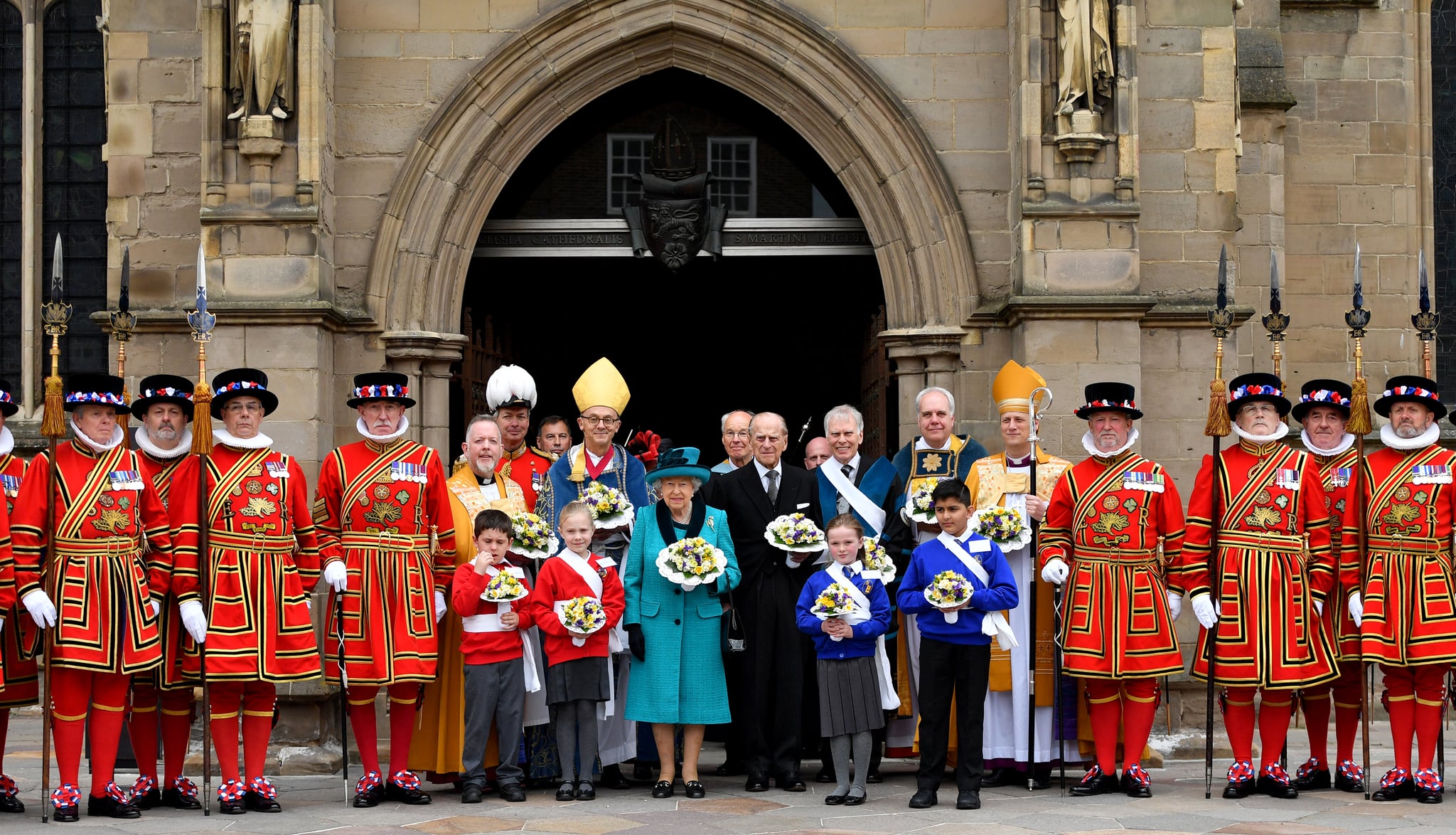
The British royal family is primarily affiliated with the Church of England, a Protestant denomination. The monarch serves as the Supreme Governor of the Church, and royal ceremonies often include religious elements, reflecting their commitment to their faith.
3.2 The Saudi Royal Family
The Saudi royal family practices Islam, specifically Sunni Islam, which is the state religion of Saudi Arabia. Their adherence to Islamic principles influences their governance and public policies.
3.3 The Thai Royal Family
The Thai royal family is closely associated with Buddhism, which is the dominant religion in Thailand. The king is regarded as a protector of the faith, and royal ceremonies often incorporate Buddhist rituals.
4. The Role of Religion in Royal Family Functions
Religion plays a significant role in various functions and responsibilities of royal families. Here are some ways religion influences their duties:
- State Ceremonies: Many royal events, such as coronations and weddings, include religious rituals that symbolize the royal family's connection to their faith.
- Charitable Work: Many royals engage in charitable activities that align with their religious values, promoting social welfare and community support.
- Moral Leadership: Royals often serve as moral exemplars, guiding their subjects in ethical and spiritual matters.
5. Interfaith Marriages and Their Impact
Interfaith marriages among royals have become more common in recent years, leading to a blending of religious traditions. These unions can have profound implications for royal family dynamics and public perception.
For example, the marriage of Prince Harry and Meghan Markle brought attention to the issue of religious diversity within the British royal family, as Markle identifies as a Protestant with a background in other faiths. Such marriages can foster greater understanding and acceptance of different beliefs within royal households.
6. Public Perception of Royal Family Religions
The public's perception of royal family religions can greatly influence the monarchy's status and legitimacy. In some cases, a royal family’s active engagement in their faith can enhance their image and strengthen their bond with the populace.
Conversely, any perceived disconnection from their religious roots can lead to scrutiny and criticism. For example, when royals are seen as failing to uphold their religious responsibilities, it can result in a loss of public support.
7. The Future of Religion in Royal Families
As society continues to evolve, the role of religion in royal families may also change. Globalization and the increasing acceptance of diverse beliefs could lead to a more inclusive approach to royal family religions.
Many royal families are beginning to embrace interfaith dialogues and practices, reflecting the diverse societies they represent. This trend may pave the way for a more modern interpretation of royal spirituality, allowing royals to connect with a broader audience.
8. Conclusion: The Lasting Influence of Royalty Family Religion
In conclusion, the royalty family religion is a multifaceted topic that reveals the intricate relationship between faith and governance. Royal families play a vital role in shaping societal values through their religious beliefs and practices. As we move forward, understanding this dynamic will be essential in appreciating the significance of royalty in contemporary society.
We invite you to share your thoughts on royalty family religion in the comments below. If you found this article insightful, consider sharing it with others who may also be interested in this fascinating topic. Explore more articles on our site for further insights into the lives of royal families.
Thank you for reading, and we hope to see you back here for more engaging content!