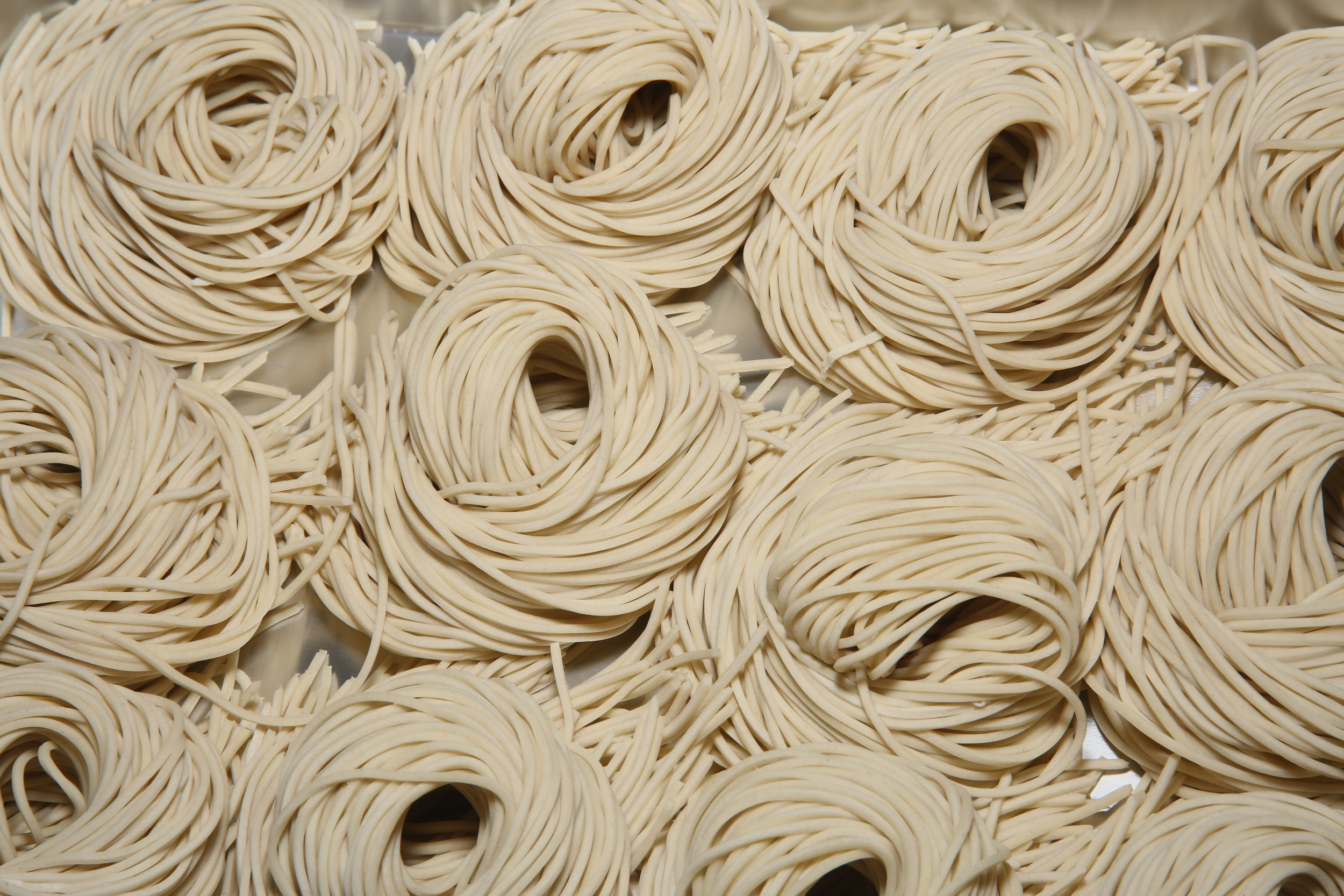
Ramen Listeria Outbreak: Understanding The Risks And Safety Measures
The recent ramen listeria outbreak has raised significant concerns among consumers and health officials alike. As people enjoy the flavorful and convenient nature of ramen, the potential risks associated with foodborne illnesses cannot be overlooked. In this article, we will delve into the details of the ramen listeria outbreak, its causes, prevention measures, and the importance of food safety.
Foodborne illnesses are a serious public health issue, and listeriosis is one of the most severe forms of these infections. Listeria monocytogenes, the bacteria responsible for listeriosis, can lead to severe complications, particularly in vulnerable populations. Understanding the nature of these outbreaks is crucial for consumers to make informed choices about their food.
In this comprehensive article, we will explore the recent ramen listeria outbreak, its implications, and how it has affected consumers. We will also provide practical tips on how to stay safe while enjoying your favorite ramen dishes. Let's dive into the details of this important topic.
Table of Contents
- What is Listeria?
- Background on Listeria Outbreaks
- The Ramen Listeria Outbreak
- Causes of the Outbreak
- Health Risks Associated with Listeria
- Preventive Measures for Consumers
- What to Do If You Are Affected
- Conclusion
What is Listeria?
Listeria monocytogenes is a type of bacteria that can cause listeriosis, a serious infection primarily affecting pregnant women, newborns, older adults, and individuals with weakened immune systems. Here are some key points about listeria:
- It can be found in contaminated food, particularly ready-to-eat products.
- Symptoms of listeriosis include fever, muscle aches, and gastrointestinal issues.
- Severe cases can lead to complications such as meningitis or septicemia.
Background on Listeria Outbreaks
Foodborne outbreaks of listeriosis have been reported globally, with various food products being implicated. Understanding the history of these outbreaks helps in grasping the seriousness of the ramen listeria outbreak.
Historical Outbreaks
Some notable listeria outbreaks in the past include:
- A 2011 outbreak linked to cantaloupes that resulted in 147 illnesses and 33 deaths.
- A 2018 outbreak associated with pre-packaged salads, affecting multiple states.
Current Trends
According to the Centers for Disease Control and Prevention (CDC), listeriosis cases have been on the rise, prompting increased surveillance and public awareness campaigns regarding food safety.
The Ramen Listeria Outbreak
In recent months, health authorities identified a listeria outbreak linked to specific ramen products. This section will provide an in-depth analysis of the outbreak.
Details of the Outbreak
The outbreak was first reported in [insert date], with multiple cases traced back to contaminated ramen noodles. Key points include:
- Number of reported cases: [insert number]
- States affected: [insert states]
- Product brands involved: [insert brands]
Response from Health Authorities
Health officials have issued warnings and recommendations for consumers regarding the consumption of affected products. Investigations are ongoing to determine the source of contamination.
Causes of the Outbreak
Understanding the causes of the ramen listeria outbreak is essential for preventing future incidents. The main factors contributing to this outbreak include:
- Improper food handling and storage practices.
- Contamination during manufacturing processes.
- Growth of listeria in ready-to-eat food products.
Health Risks Associated with Listeria
Consumers must be aware of the health risks linked to listeria infections. The following populations are particularly vulnerable:
- Pregnant women: Increased risk of miscarriage and stillbirth.
- Newborns: Serious infections can occur.
- Older adults and immunocompromised individuals: Higher likelihood of severe illness.
Preventive Measures for Consumers
Here are some practical tips for consumers to minimize the risk of listeria infection:
- Always check for recalls and safety alerts related to food products.
- Store ramen and other food products at the correct temperatures.
- Practice safe food handling, including washing hands and surfaces frequently.
What to Do If You Are Affected
If you suspect that you have consumed contaminated ramen or are experiencing symptoms, it is crucial to take immediate action:
- Seek medical attention if you experience severe symptoms.
- Report any suspected foodborne illness to local health authorities.
- Stay informed about updates regarding the outbreak.
Conclusion
In conclusion, the ramen listeria outbreak serves as a critical reminder of the importance of food safety. Consumers must remain vigilant and informed to protect themselves and their families. By following preventive measures and staying updated on health alerts, we can reduce the risk of foodborne illnesses.
We encourage you to leave your comments below, share this article with others, and explore more resources on food safety. Together, we can create a safer food environment for everyone.
References
- Centers for Disease Control and Prevention (CDC) - Listeria
- Food and Drug Administration (FDA) - Food Safety
- World Health Organization (WHO) - Listeriosis