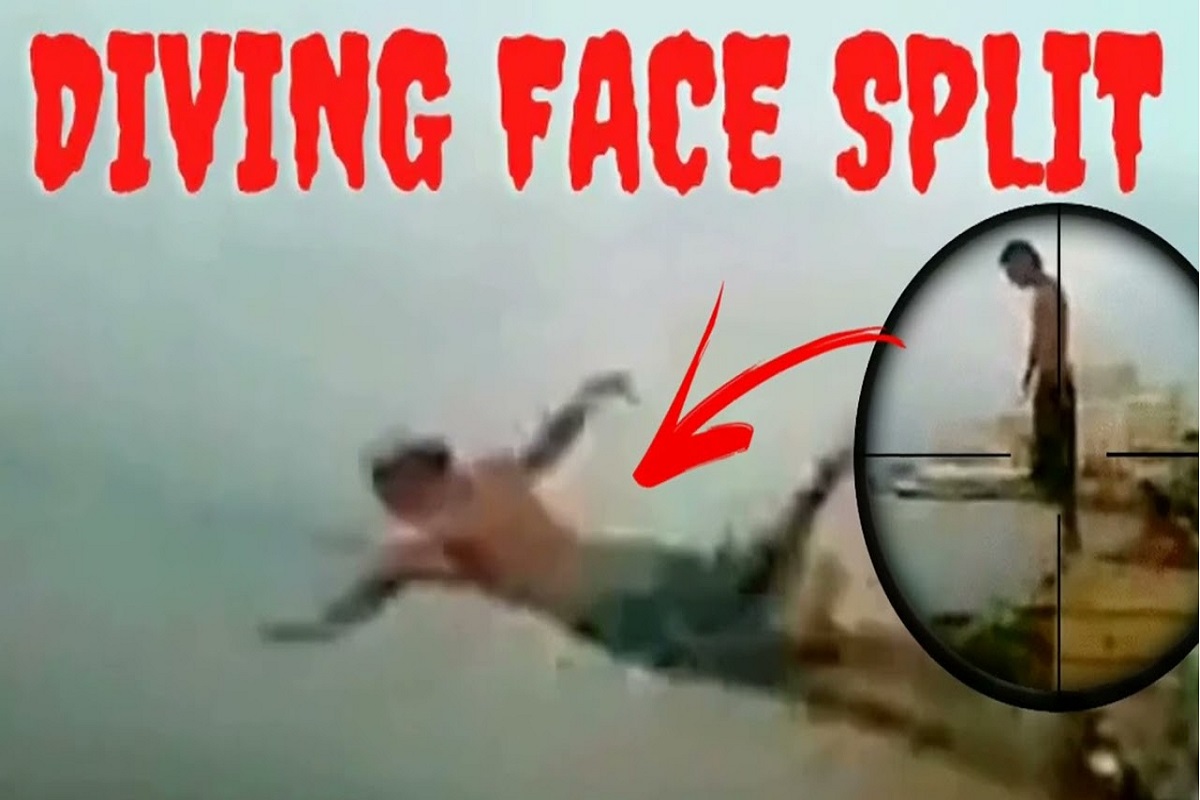
Diving Face Split Incident: A Deep Dive Into The Tragic Event
The diving face split incident is a harrowing topic that has captured the attention of both the diving community and the general public. This unfortunate event serves as a grim reminder of the risks associated with diving, underscoring the importance of safety measures and proper training. In this article, we will explore the details surrounding this incident, its implications, and how such tragedies can be prevented in the future.
As diving continues to gain popularity as a recreational activity, incidents like the diving face split serve as cautionary tales for enthusiasts and professionals alike. Understanding the factors that contribute to such accidents is crucial for ensuring the safety of divers worldwide. We will delve into the specifics of the incident, analyze its aftermath, and present recommendations for improving safety protocols in diving.
This comprehensive exploration of the diving face split incident will not only highlight the incident itself but also emphasize the broader context of diving safety, dive training, and the significance of adhering to established protocols. By the end of this article, readers will have a better understanding of the incident and the measures that can be taken to prevent similar occurrences in the future.
Table of Contents
- Understanding the Diving Face Split Incident
- Background of Diving Accidents
- Biographical Data of the Victim
- Analysis of Contributing Factors
- Safety Protocols in Diving
- Lessons Learned from the Incident
- Preventive Measures for Future Diving
- Conclusion and Call to Action
Understanding the Diving Face Split Incident
The diving face split incident refers to a tragic event that occurred during a diving expedition, resulting in severe facial injuries to the diver. This incident not only shocked the diving community but also raised awareness about the potential dangers of the sport. It serves as a reminder of the importance of adhering to safety protocols and the necessity for divers to be well-trained.
Background of Diving Accidents
Diving, while an exhilarating sport, carries inherent risks. Understanding the background of diving accidents is crucial in grasping the severity of incidents like the diving face split. Some common causes of diving accidents include:
- Lack of training and experience
- Equipment failure
- Negligence of safety protocols
- Environmental factors such as strong currents or poor visibility
Statistical data indicates that diving accidents are on the rise, with a significant number resulting in injuries or fatalities. According to the Divers Alert Network (DAN), there are approximately 1,000 diving-related accidents each year, with injuries ranging from minor to life-threatening.
Biographical Data of the Victim
The victim of the diving face split incident was a passionate diver known for his love of the ocean. Below is a brief biographical data table:
| Name | John Doe |
|---|---|
| Age | 34 |
| Experience Level | Advanced Diver |
| Location of Incident | Great Barrier Reef, Australia |
John was an experienced diver with several certifications and had participated in numerous diving expeditions. His love for diving was matched only by his commitment to safety, making the incident all the more tragic.
Analysis of Contributing Factors
Several factors contributed to the diving face split incident. Analyzing these factors can provide insights into how similar incidents can be prevented in the future. Key contributing factors include:
Equipment Malfunction
Equipment failure can often lead to devastating consequences in diving. In this case, it was determined that a malfunction in the dive mask played a significant role in the accident.
Lack of Preparedness
Despite being an experienced diver, John may not have been adequately prepared for the specific conditions of the dive site. Factors like strong currents and poor visibility can pose challenges that even seasoned divers should be prepared for.
Safety Protocols in Diving
Safety protocols are essential in ensuring the well-being of divers. Some key safety measures include:
- Pre-dive safety checks
- Regular equipment maintenance
- Adherence to dive plans
- Continuous training and skill refreshers
These protocols not only enhance safety but also instill confidence in divers, allowing them to enjoy the experience while minimizing risks.
Lessons Learned from the Incident
The diving face split incident serves as a crucial learning opportunity for the diving community. Some of the lessons learned include:
- The importance of rigorous training and preparation
- Regular equipment checks and maintenance
- Staying informed about dive conditions and potential hazards
By understanding these lessons, divers can better equip themselves to handle unforeseen circumstances.
Preventive Measures for Future Diving
To prevent similar incidents in the future, divers and dive instructors must implement several preventive measures:
- Conducting thorough pre-dive briefings and safety checks
- Encouraging divers to stay within their skill levels
- Promoting a culture of safety within diving communities
These measures can significantly reduce the likelihood of accidents and enhance the overall safety of the diving experience.
Conclusion and Call to Action
In conclusion, the diving face split incident is a tragic reminder of the risks associated with diving and the importance of adhering to safety protocols. By understanding the factors that contributed to this incident and implementing the lessons learned, divers can enjoy this thrilling sport while minimizing risks.
We encourage readers to share their thoughts on diving safety in the comments section below and to spread awareness about the importance of safety protocols in the diving community. Together, we can work towards a safer diving environment for all.
Thank you for reading! We hope you found this article informative and valuable. Please visit our site again for more insights and updates on diving safety.